menu

Lost Sci-Fi

chevron_right

Alfred Coppel


Biography


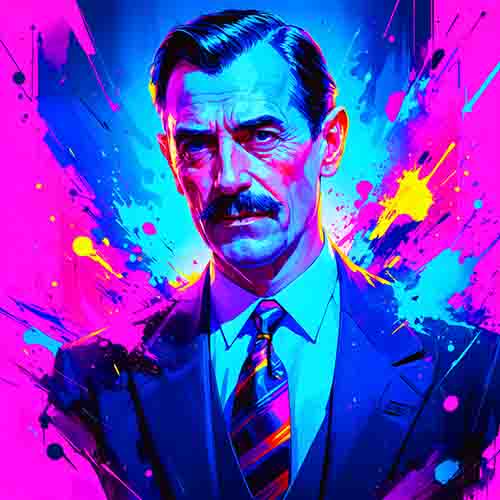
Alfred Coppel (1921–2004) was an American author best known for his versatile career spanning science fiction, fantasy, thrillers, and political novels. Born Alfredo José de Ávila-Coppel in Oakland, California, he served as a fighter pilot in World War II, an experience that deeply shaped his writing and lent authenticity to his depictions of war, aviation, and technology. After the war, he began publishing science fiction stories under his own name and a variety of pseudonyms, quickly earning a reputation as one of the more imaginative voices to emerge in the 1950s pulps.

Coppel’s early science fiction appeared in magazines such as Planet Stories and Astounding Science Fiction, often exploring themes of war, identity, and humanity’s destiny in the cosmos. His novella Dark December (1960), later expanded into a novel, depicted a grim post-nuclear landscape and is still remembered as one of his most powerful speculative works. Under the pseudonym Robert Cham Gilman, he wrote the Glory Game trilogy (The Glory Game, Glory’s War, and Glory’s End), space operas blending adventure, politics, and military science fiction. He also wrote stories as A. C. Marin and other pen names, a common practice in the pulp era.

Beyond genre fiction, Coppel found success with political and techno-thrillers. His novel The Burning Mountain (1983) presented an alternate history of World War II in which the United States invaded Japan without using the atomic bomb, combining his wartime knowledge with his gift for suspense. In thrillers such as Thirty-Four East and The Apocalypse Brigade, he tackled contemporary geopolitical themes, including terrorism, espionage, and Middle Eastern conflict. These novels expanded his readership beyond science fiction and cemented his reputation as a writer unafraid to confront the anxieties of his time.

Coppel’s writing was characterized by clear, fast-paced prose, an instinct for high-stakes drama, and a recurring interest in the costs of war and power. Whether set in distant galaxies or grounded in near-contemporary politics, his works reflected a concern with humanity’s ability to survive its own destructive impulses.

Over a career that spanned decades, Alfred Coppel demonstrated remarkable range. He could write vividly imagined pulp adventures, brooding post-apocalyptic tales, and timely political thrillers with equal skill. While not as widely recognized as some of his contemporaries, he built a loyal readership and left behind a body of work that remains of interest to fans of both classic science fiction and tense, issue-driven thrillers. Today, Coppel is remembered as a professional craftsman whose background as a pilot and soldier gave his fiction a realism and urgency that still resonates.

  • cover play_circle_filled

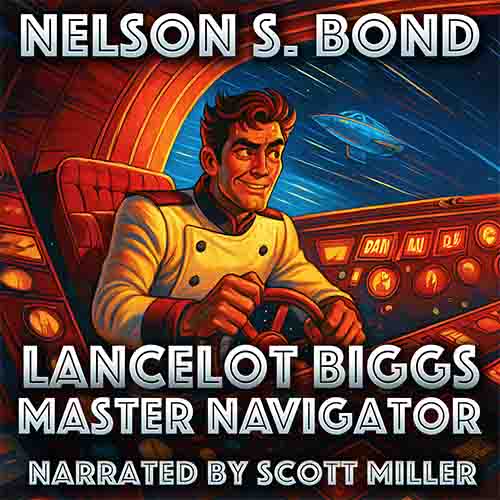
    01. Lancelot Biggs Master Navigator
    Nelson S. Bond

  • cover play_circle_filled

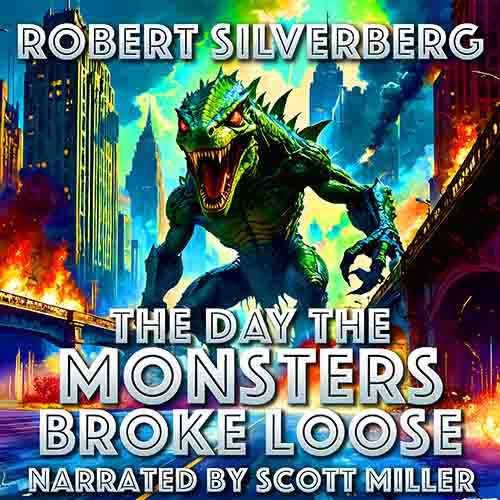
    02. The Day The Monsters Broke Loose
    Robert Silverberg

  • cover play_circle_filled

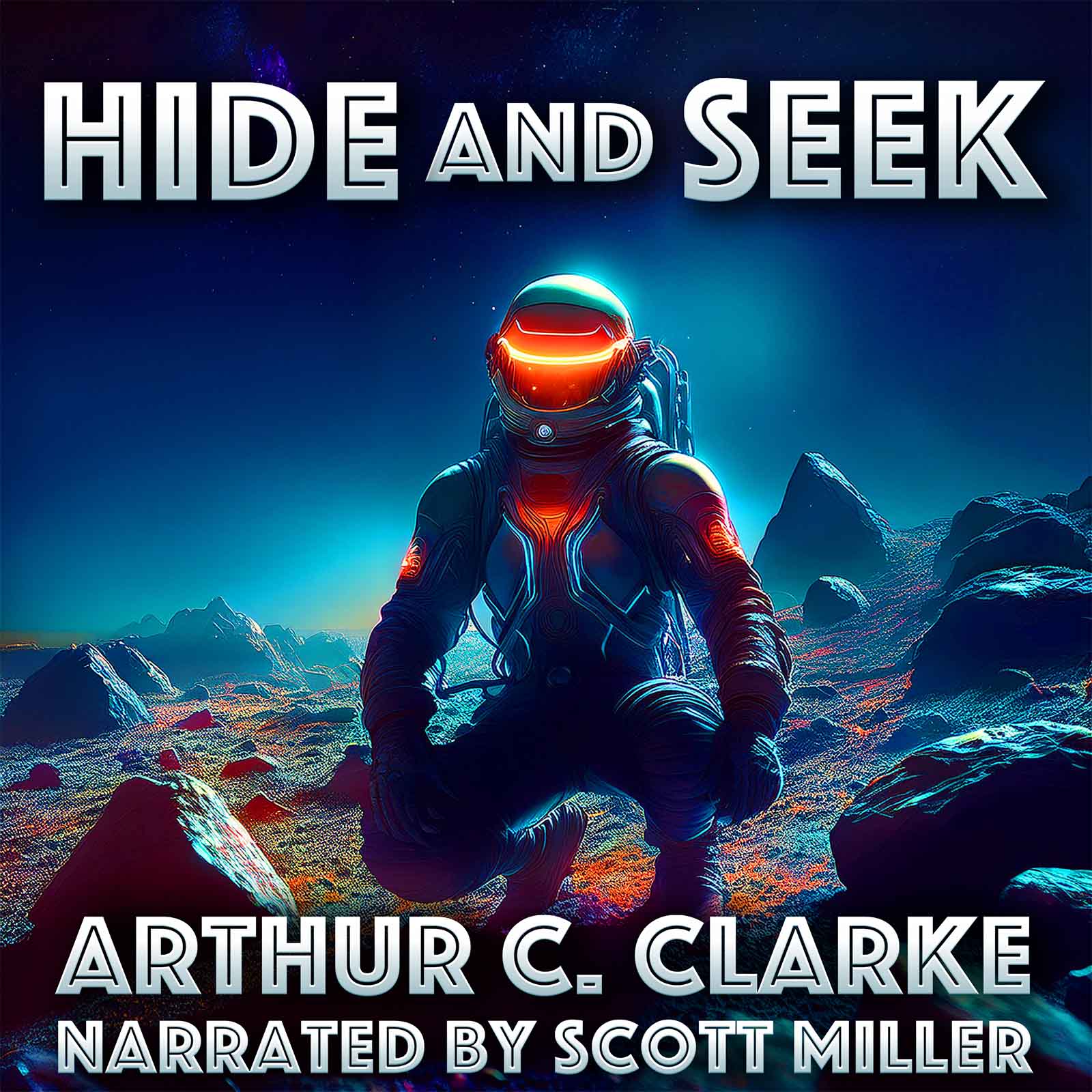
    03. Hide and Seek
    Arthur C. Clarke

  • cover play_circle_filled

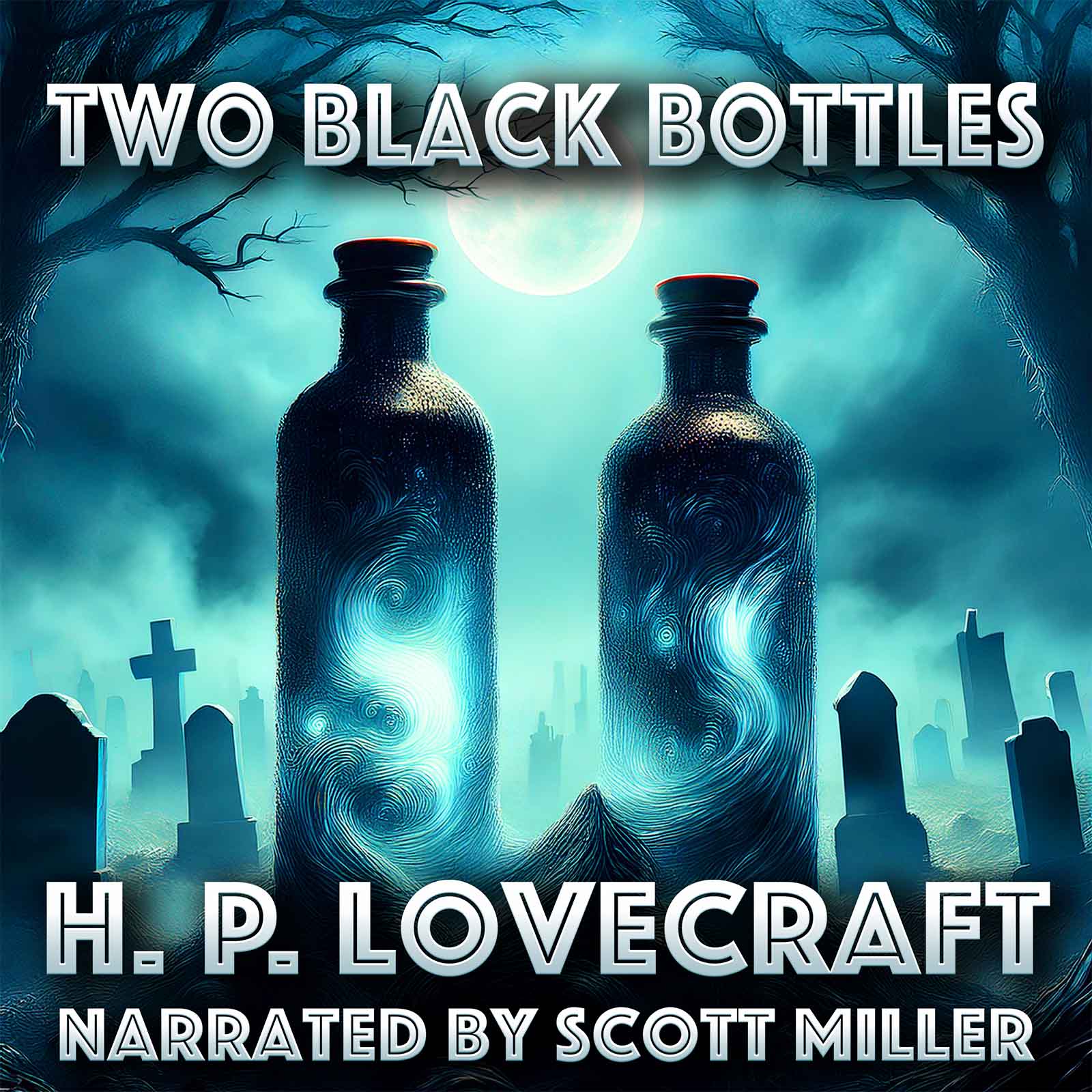
    04. Two Black Bottles
    H. P. Lovecraft

  • cover play_circle_filled

    05. Don’t Look Now
    Henry Kuttner

  • cover play_circle_filled

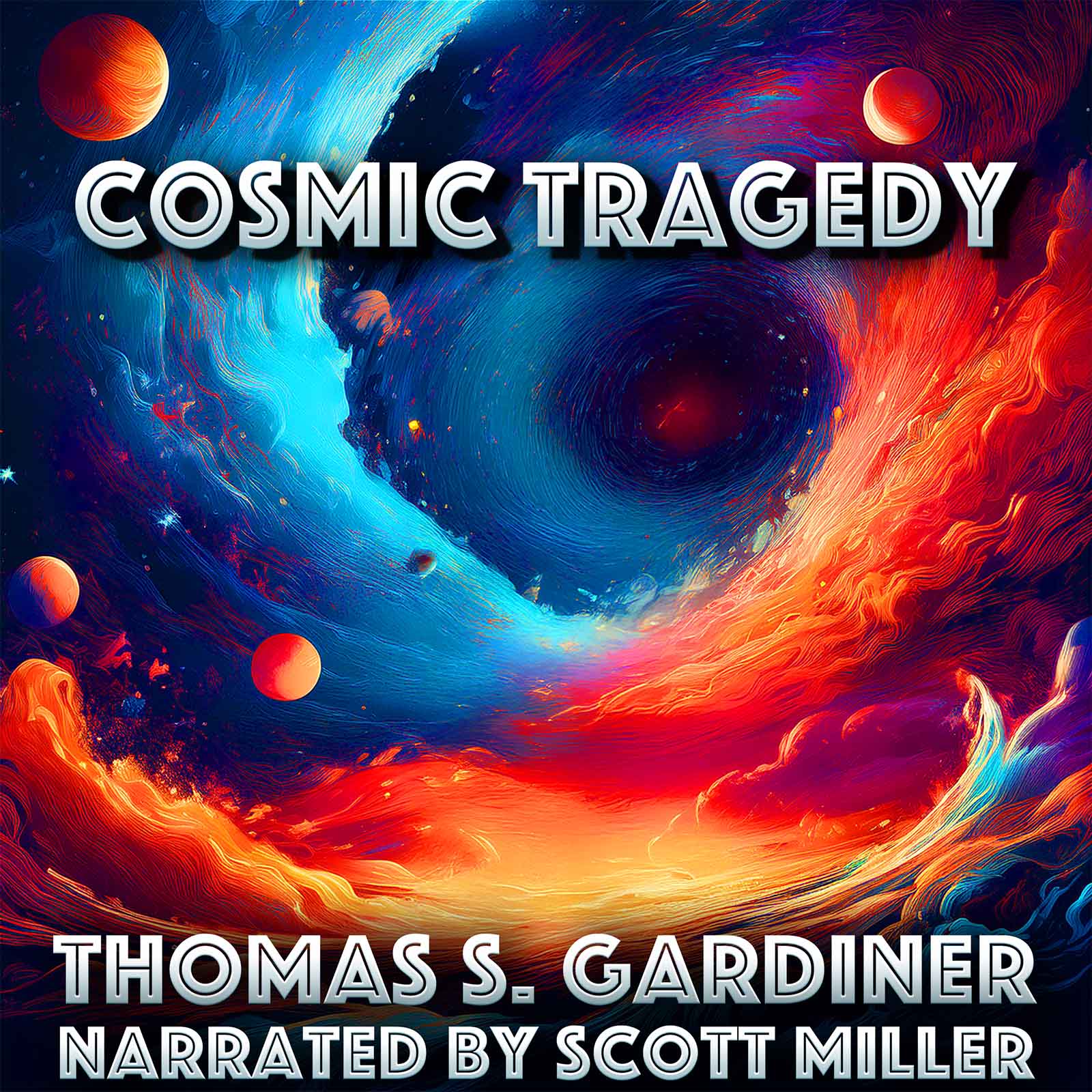
    06. Cosmic Tragedy
    Thomas S. Gardiner

  • cover play_circle_filled

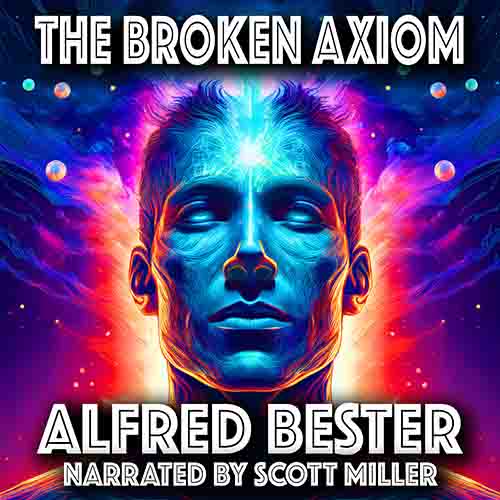
    07. The Broken Axiom
    Alfred Bester

  • cover play_circle_filled

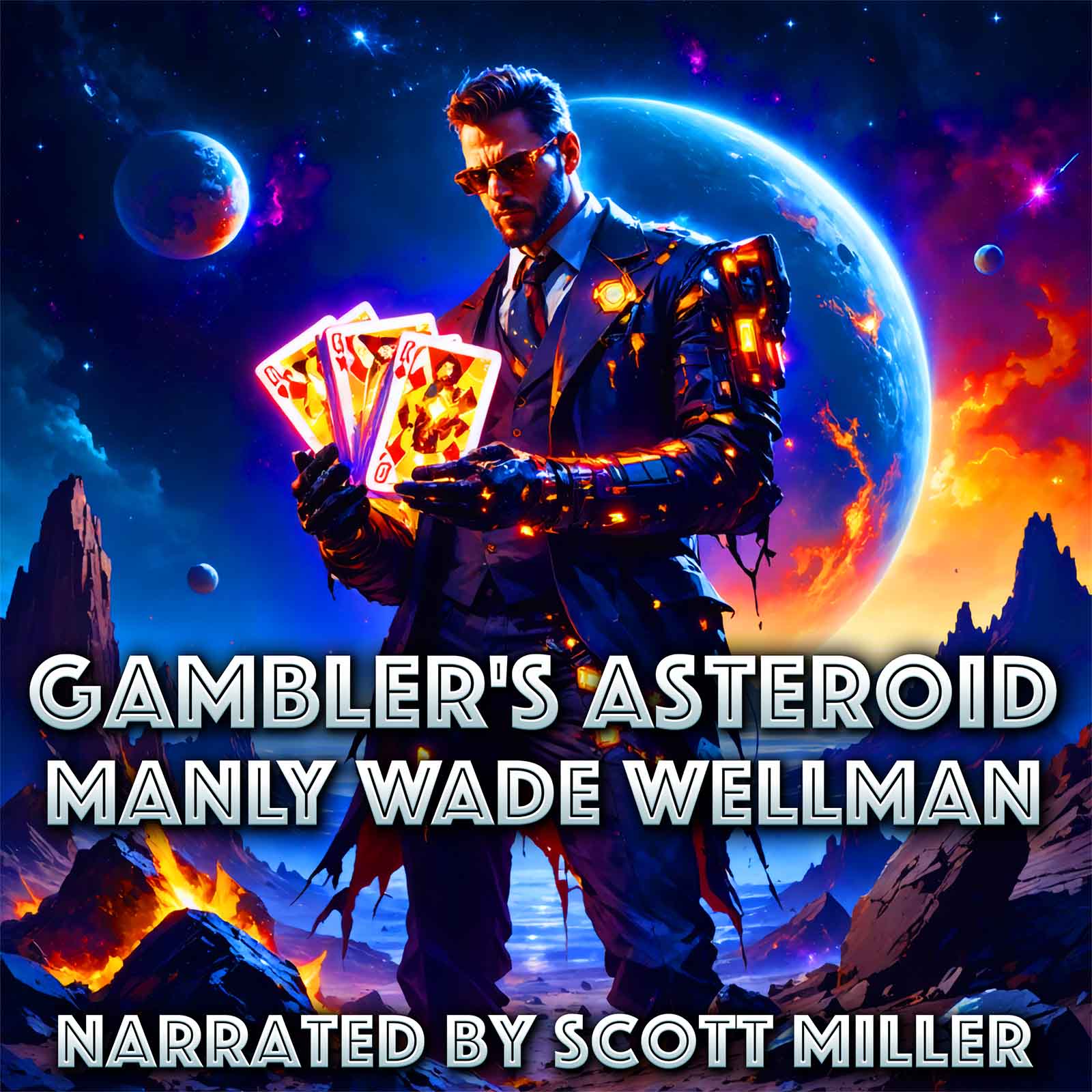
    08. Gambler's Asteroid
    Manly Wade Wellman

  • cover play_circle_filled

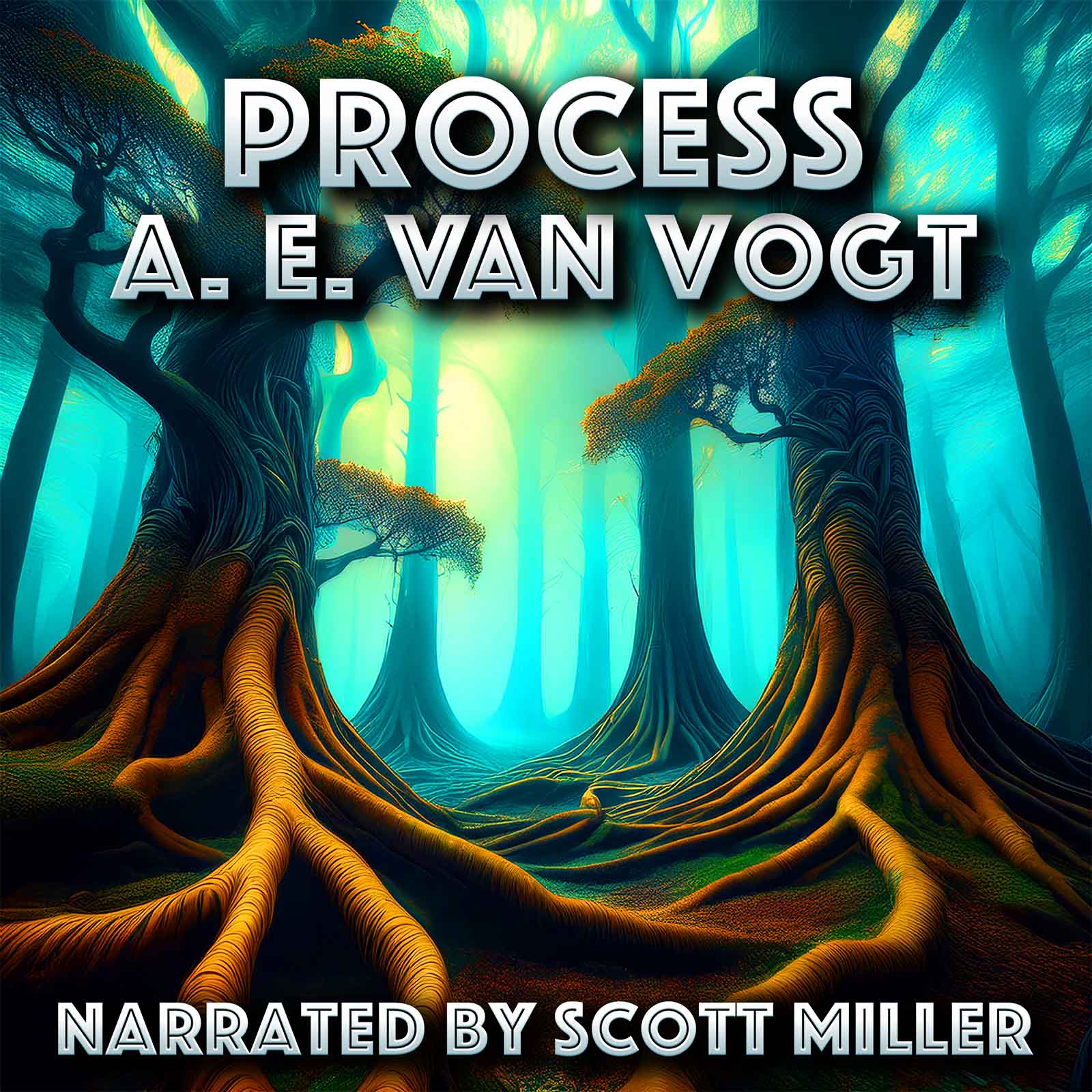
    09. Process
    A. E. van Vogt

  • cover play_circle_filled

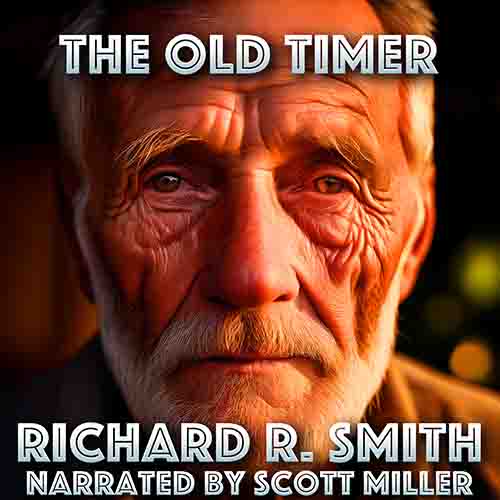
    10. The Old Timer
    Richard R. Smith

  • cover play_circle_filled

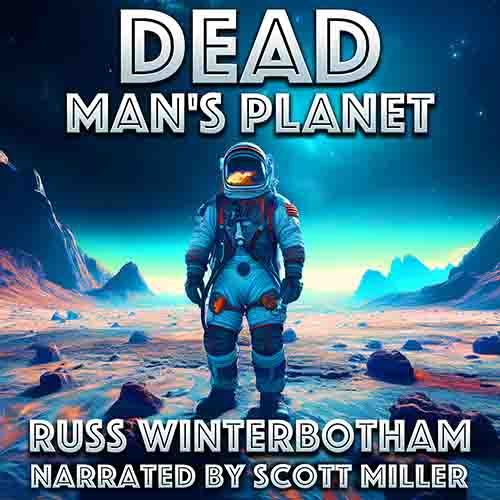
    11. Dead Man's Planet
    Russ Winterbotham

  • cover play_circle_filled

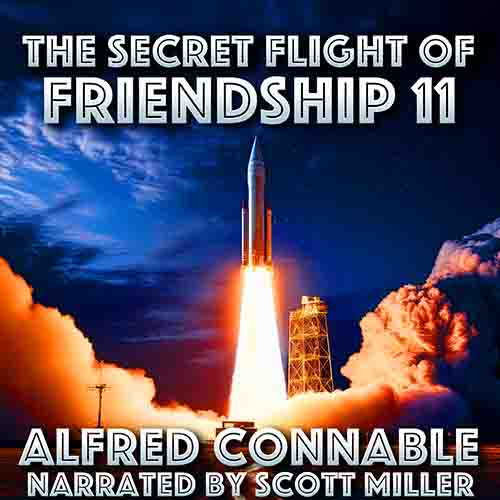
    12. The Secret Flight of Friendship Eleven
    Alfred Connable

  • cover play_circle_filled

    01. Welcome to LostSciFi.com

  • cover play_circle_filled

    02. The Madness of Lancelot Biggs by Nelson S. Bond

  • cover play_circle_filled

    03. Don't Look Now by Henry Kuttner

  • cover play_circle_filled

    04. Poor Little Warrior by Brian W. Aldiss

  • cover play_circle_filled

    05. The Life–Work of Professor Muntz by Murray Leinster

  • cover play_circle_filled

    06. The Black Ewe by Fritz Leiber

  • cover play_circle_filled

    07. A Walk in the Dark by Arthur C. Clarke

  • cover play_circle_filled

    08. Time Enough At Last by Lynn Venable

  • cover play_circle_filled

    09. Duel on Syrtis by Poul Anderson

  • cover play_circle_filled

    The Long Question by David Mason Episode #519
    David Mason

  • cover play_circle_filled

    The Gate to Xoran by Hal K. Wells Episode #518
    Hal K. Wells

  • cover play_circle_filled

    Death of a Spaceman by Walter M. Miller Episode #517
    Walter M. Miller

  • cover play_circle_filled

    The Body-Masters by Frank Belknap Long Episode #516
    Frank Belknap Long

  • cover play_circle_filled

    The Crowded Colony By Jerome Bixby Episode #515
    Jerome Bixby

  • cover play_circle_filled

    When the Moon Turned Green by Hal K. Wells Episode #514
    Hal K. Wells

  • cover play_circle_filled

    Failure on Titan by Robert Abernathy Episode #513
    Robert Abernathy

  • cover play_circle_filled

    Murder Beneath the Polar Ice by Hayden Howard Episode #512
    Hayden Howard

  • cover play_circle_filled

    Old Friends are the Best by Jack Sharkey Episode #511
    Jack Sharkey

  • cover play_circle_filled

    The Man From 2071 by Sewell Peaslee Wright Episode #510
    Sewell Peaslee Wright

  • cover play_circle_filled

    Salvage in Space by Jack Williamson Episode #509
    Jack Williamson

  • cover play_circle_filled

    The Last Letter by Fritz Leiber Episode #508
    Fritz Leiber

  • cover play_circle_filled

    The Next Time We Die by Robert Moore Williams Episode #507
    Robert Moore Williams

  • cover play_circle_filled

    Strange Exodus by Robert Abernathy Episode #506
    Robert Abernathy

  • cover play_circle_filled

    Patch by William Shedenhelm Episode #505
    Patch by William Shedenhelm

play_arrow skip_previous skip_next volume_down
playlist_play