menu

Lost Sci-Fi

chevron_right

Alfred Bester


Biography


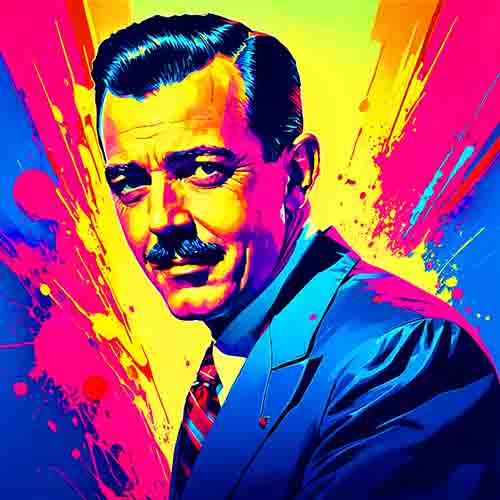
Alfred Bester (1913–1987) was an American science fiction writer, editor, and journalist whose dazzling imagination and experimental style reshaped the landscape of modern speculative fiction. Born in New York City, Bester studied psychology and literature before launching his career as a comic book writer in the 1940s, scripting for DC Comics characters like Superman, Batman, and Green Lantern. His flair for dynamic storytelling and psychological depth soon carried over into prose, where he quickly became one of the most innovative voices of science fiction’s mid-century boom.

Bester’s fiction is marked by stylistic boldness, psychological complexity, and a keen sense of irony. His first major success came with The Demolished Man (1953), a trailblazing novel about crime and punishment in a telepathic society. It won the very first Hugo Award for Best Novel, cementing his place in the genre’s history. He followed it with The Stars My Destination (1956), a revenge-driven odyssey often hailed as a masterpiece of science fiction, blending themes of transformation, obsession, and the latent power of humanity with a style that anticipated cyberpunk decades ahead.

Among his most celebrated shorter works is “Fondly Fahrenheit” (1954), a chilling tale of identity and madness that masterfully blurs the line between man and machine. Narrated through shifting perspectives, it follows a man and his murderous android, exploring guilt, responsibility, and fractured consciousness in ways that were revolutionary for its time. The story remains one of science fiction’s most anthologized and influential works, frequently cited as a high point in the short story form.

In addition to his fiction, Bester worked as a journalist and editor, including a stint at Holiday magazine, where his sharp eye for culture and people enriched his prose. He later returned to science fiction with works like The Computer Connection (1975) and Golem100 (1980), though his earlier novels and stories remain his most enduring legacy.

Bester’s influence is immense. His daring use of typography, stream-of-consciousness, and nonlinear structure expanded the artistic possibilities of the genre. Writers such as William Gibson, Samuel R. Delany, and Neil Gaiman have cited him as an inspiration. Award bodies recognized his achievements as well: in 1988, the Science Fiction and Fantasy Writers of America posthumously named him a Grand Master, honoring a career that permanently altered the field.

Alfred Bester is remembered as a stylistic pioneer and one of science fiction’s true visionaries. Through novels like The Demolished Man and The Stars My Destination and unforgettable short works such as “Fondly Fahrenheit,” he demonstrated that science fiction could be as bold, experimental, and literary as any other form of art. His work continues to inspire readers and writers, ensuring his place as one of the genre’s greatest innovators.




  • cover play_circle_filled

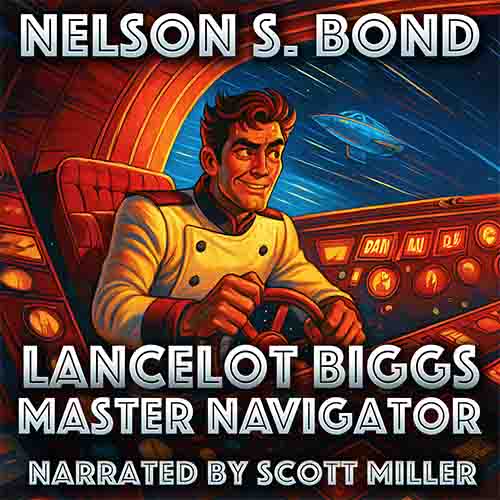
    01. Lancelot Biggs Master Navigator
    Nelson S. Bond

  • cover play_circle_filled

    02. The Day The Monsters Broke Loose
    Robert Silverberg

  • cover play_circle_filled

    03. Hide and Seek
    Arthur C. Clarke

  • cover play_circle_filled

    04. Two Black Bottles
    H. P. Lovecraft

  • cover play_circle_filled

    05. Don’t Look Now
    Henry Kuttner

  • cover play_circle_filled

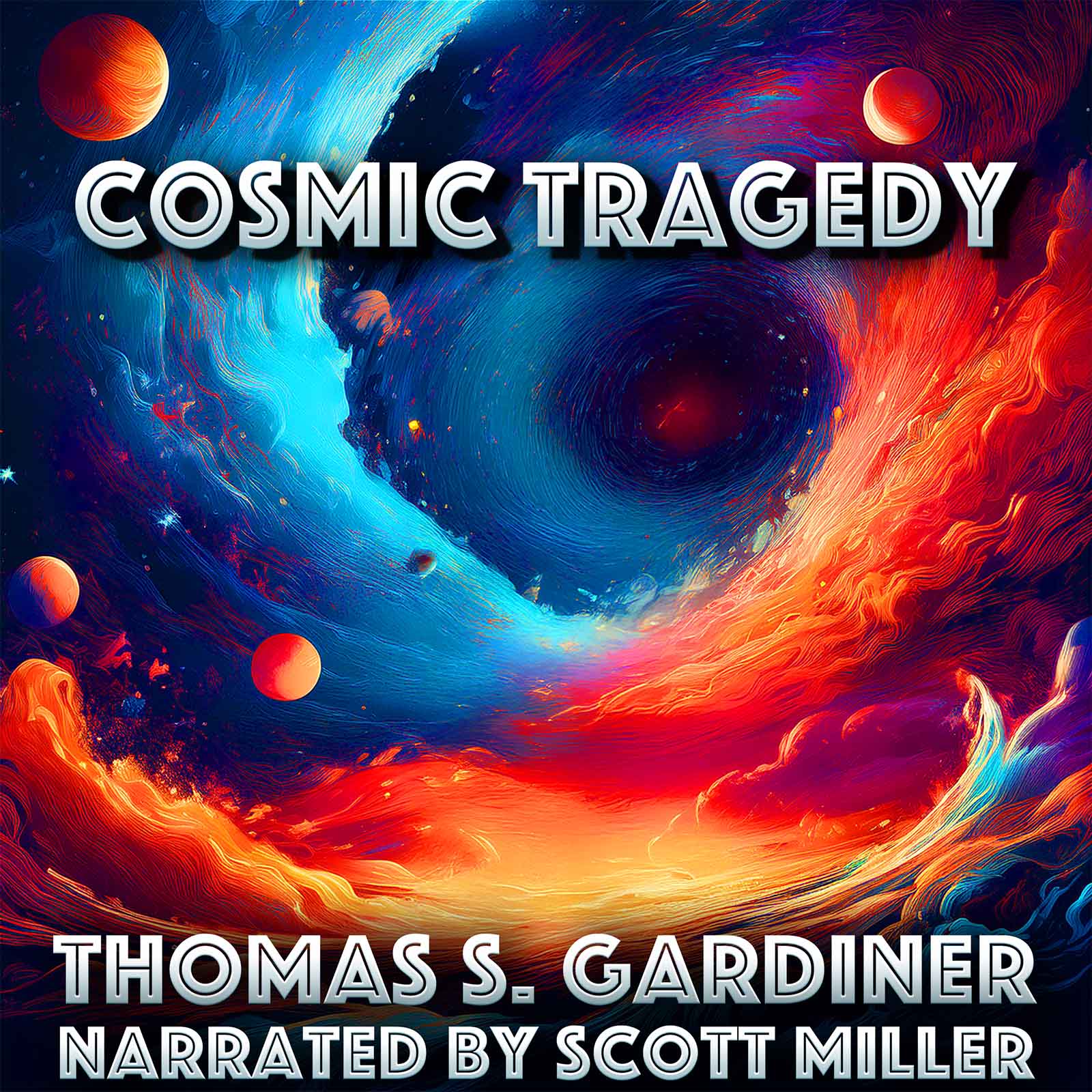
    06. Cosmic Tragedy
    Thomas S. Gardiner

  • cover play_circle_filled

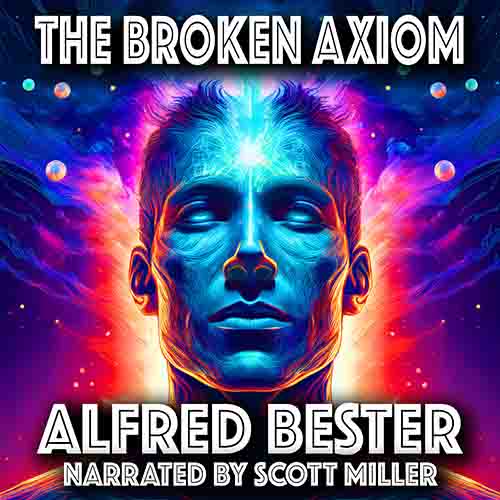
    07. The Broken Axiom
    Alfred Bester

  • cover play_circle_filled

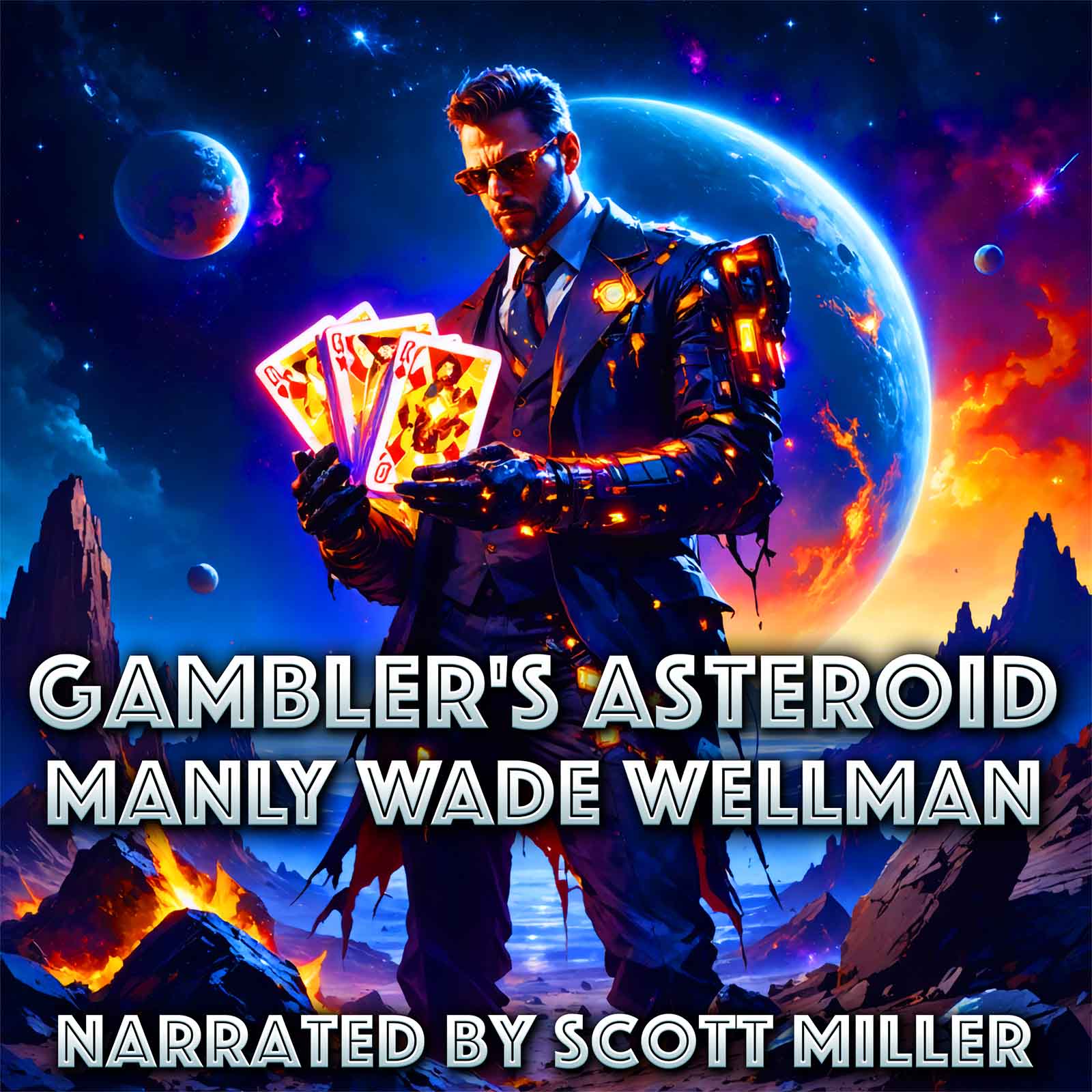
    08. Gambler's Asteroid
    Manly Wade Wellman

  • cover play_circle_filled

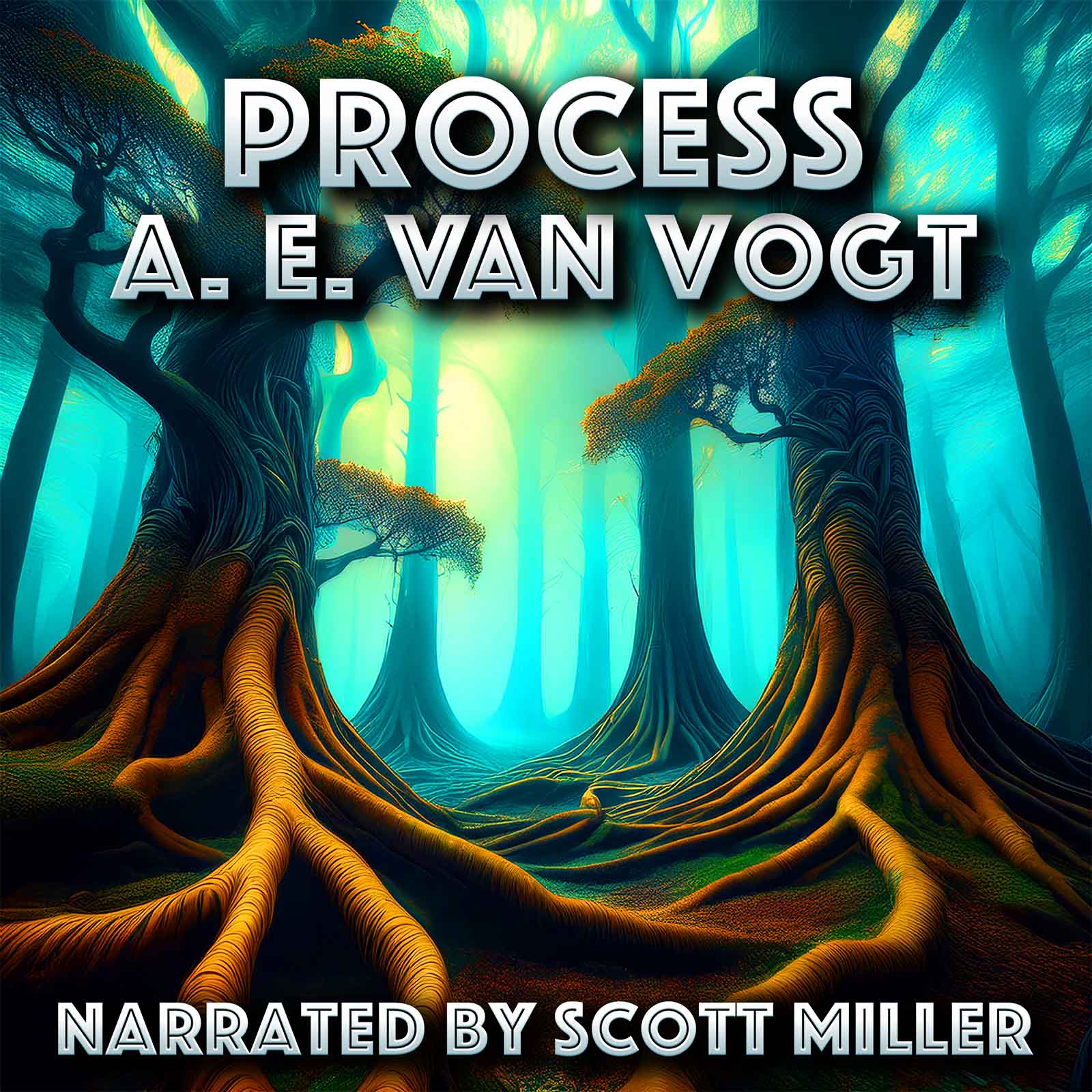
    09. Process
    A. E. van Vogt

  • cover play_circle_filled

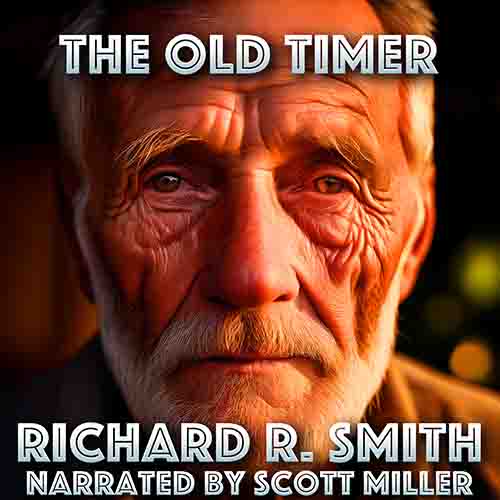
    10. The Old Timer
    Richard R. Smith

  • cover play_circle_filled

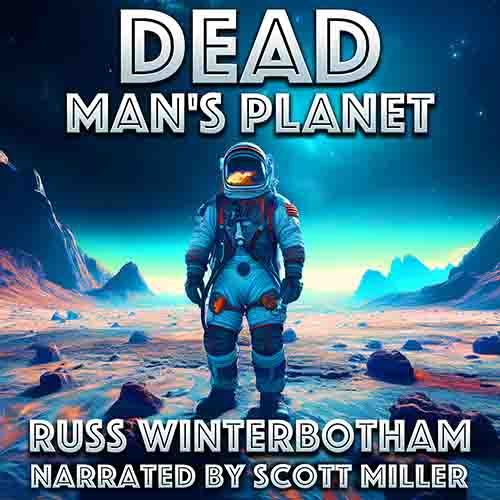
    11. Dead Man's Planet
    Russ Winterbotham

  • cover play_circle_filled

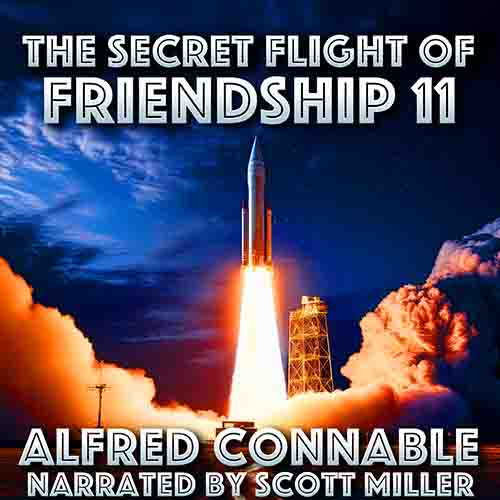
    12. The Secret Flight of Friendship Eleven
    Alfred Connable

  • cover play_circle_filled

    01. Welcome to LostSciFi.com

  • cover play_circle_filled

    02. The Madness of Lancelot Biggs by Nelson S. Bond

  • cover play_circle_filled

    03. Don't Look Now by Henry Kuttner

  • cover play_circle_filled

    04. Poor Little Warrior by Brian W. Aldiss

  • cover play_circle_filled

    05. The Life–Work of Professor Muntz by Murray Leinster

  • cover play_circle_filled

    06. The Black Ewe by Fritz Leiber

  • cover play_circle_filled

    07. A Walk in the Dark by Arthur C. Clarke

  • cover play_circle_filled

    08. Time Enough At Last by Lynn Venable

  • cover play_circle_filled

    09. Duel on Syrtis by Poul Anderson

  • cover play_circle_filled

    Strange Exodus by Robert Abernathy Episode #506
    Robert Abernathy

  • cover play_circle_filled

    Patch by William Shedenhelm Episode #505
    Patch by William Shedenhelm

  • cover play_circle_filled

    A Long Way Back by Ben Bova Episode #504
    Ben Bova

  • cover play_circle_filled

    Quixote And The Windmill by Poul Anderson Episode #503
    Poul Anderson

  • cover play_circle_filled

    Castaway by A. Bertram Chandler Episode #502
    A. Bertram Chandler

  • cover play_circle_filled

    The Man Who Knew Everything by Randall Garrett Episode #501
    Randall Garrett

  • cover play_circle_filled

    Microcosmic God by Theodore Sturgeon Episode #500
    Theodore Sturgeon

  • cover play_circle_filled

    The Hounds of Tindalos by Frank Belknap Long Episode #499
    Frank Belknap Long

  • cover play_circle_filled

    The Ultimate Problem by Victor Rousseau Episode #498
    Victor Rousseau

  • cover play_circle_filled

    The Ultimate World by Bryce Walton Episode #497
    Bryce Walton

  • cover play_circle_filled

    The Ultimate Paradox by Thorp McClusky Episode #496
    Thorp McClusky

  • cover play_circle_filled

    The Ultimate Wish by E. M. Hull Episode #495
    E. M. Hull

  • cover play_circle_filled

    Death Wish by Robert Sheckley Episode #494
    Robert Sheckley

  • cover play_circle_filled

    Helen O’Loy by Lester Del Rey Episode #493
    Lester Del Ray

  • cover play_circle_filled

    World’s End by Henry Kuttner Episode #492
    Henry Kuttner

play_arrow skip_previous skip_next volume_down
playlist_play